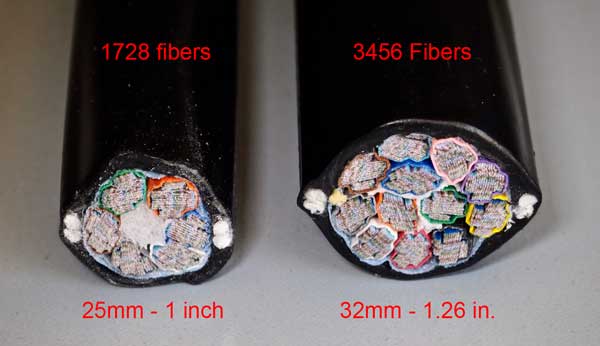
Somebody’s Big Plan for the Future. Each Data Center nets Virginia ~$5 million yearly in taxes which is much higher density gain per unit land than even the stack-and-pack housing. There pictures were taken just north of Leesburg, Virginia near Rocky Meadow Lane. The construction was progressing out of Leesburg headed north. Each colored tube can carry multiple optical fibers; each fiber
https://www.google.com/maps/place/39°10’10.8″N+77°32’10.6″W/@39.1696539,-77.5411515,869m
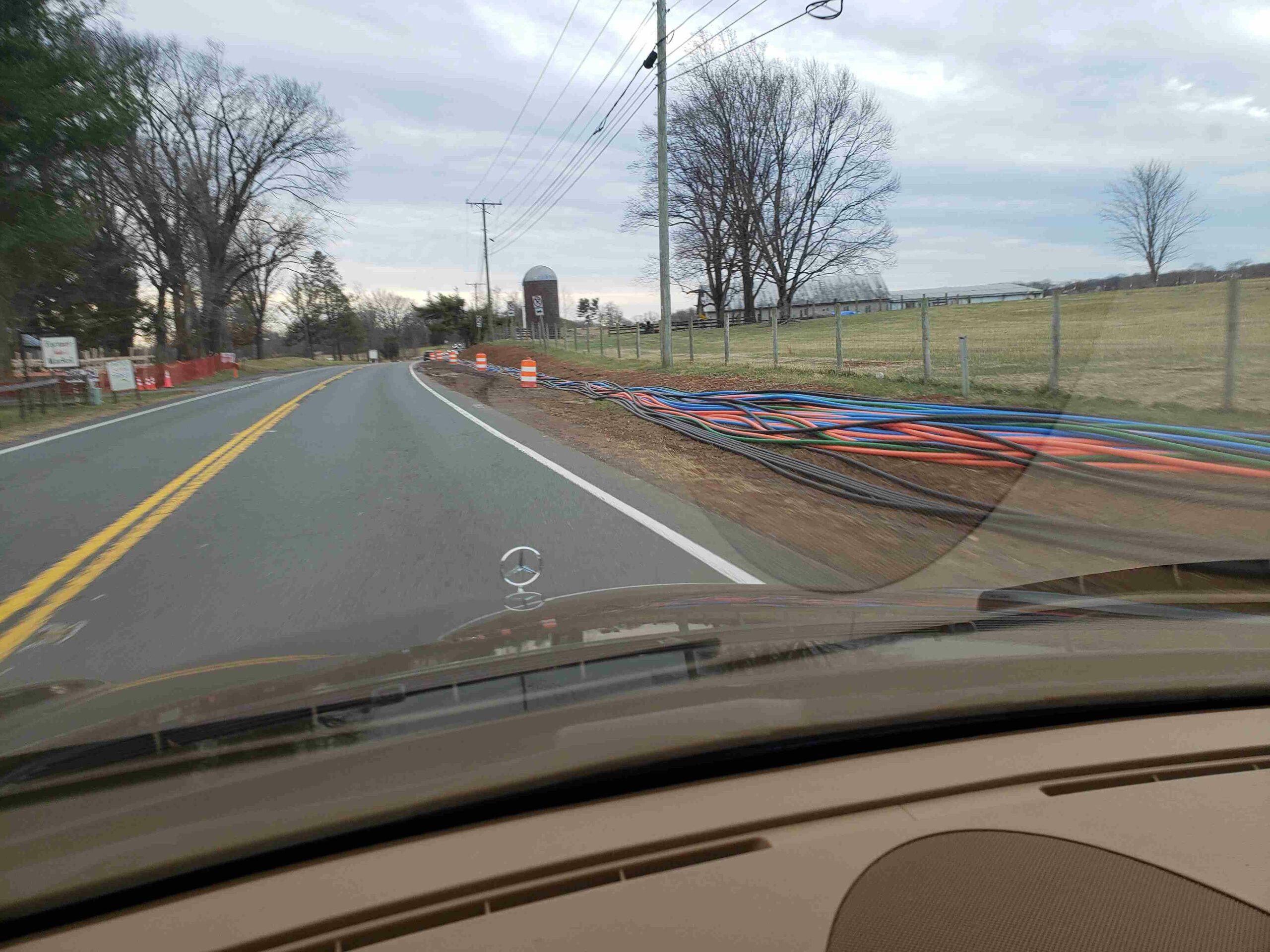
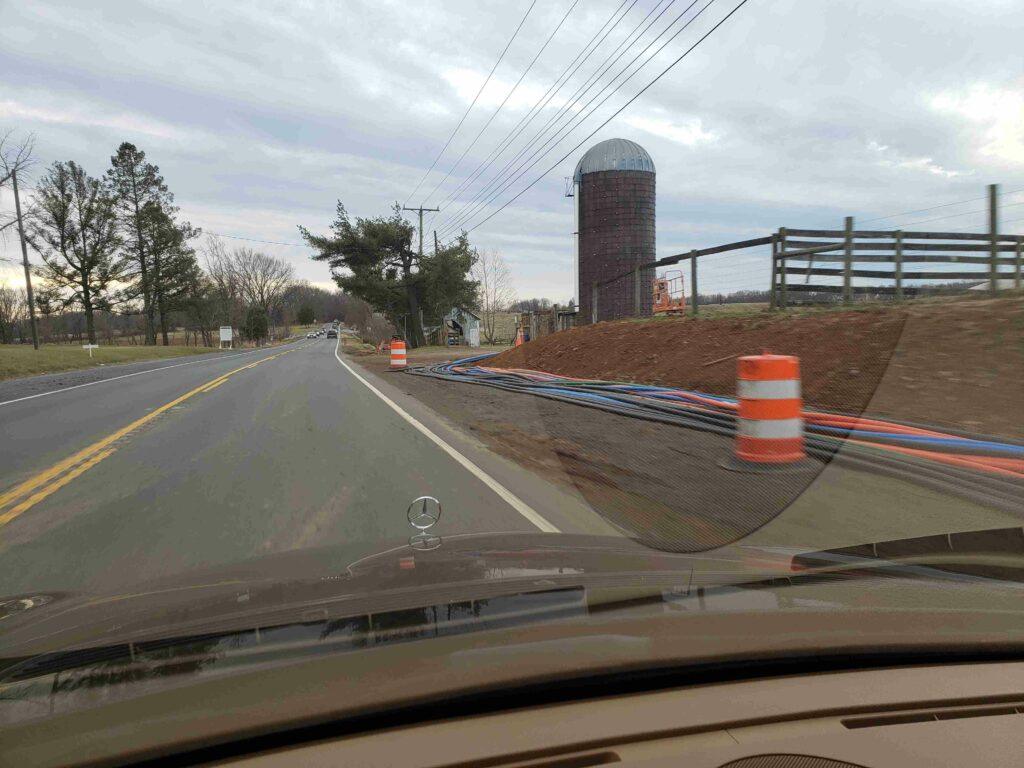
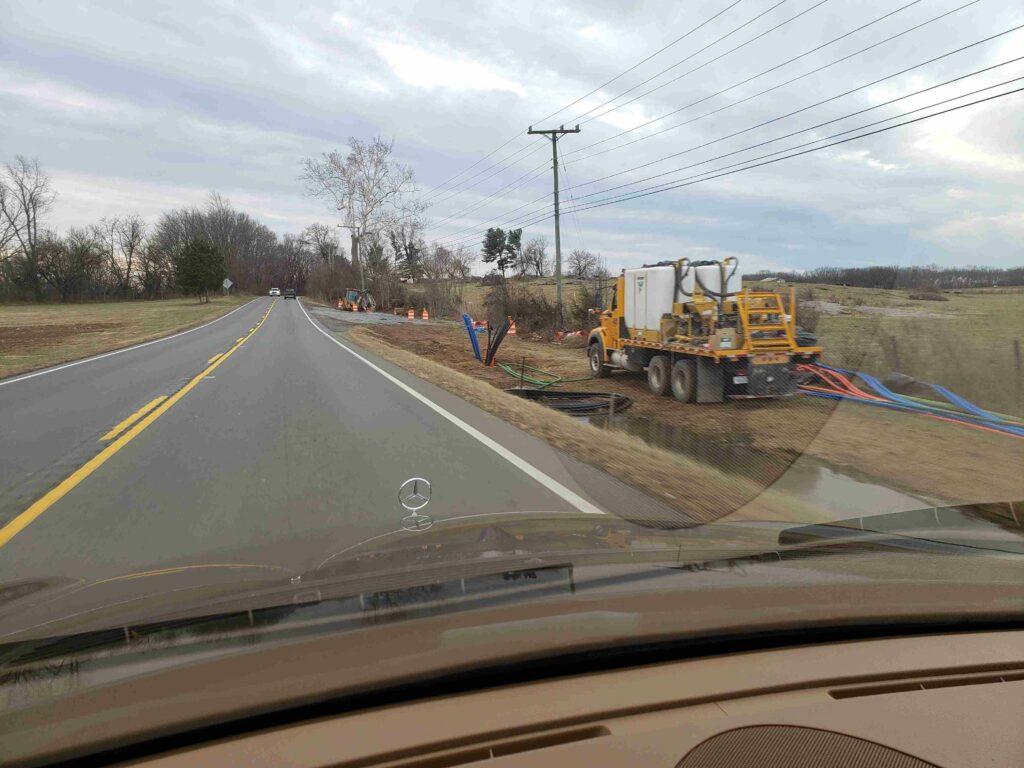
Below is a field-accurate explanation of buried fiber-optic conduit colors and a modern data-center fiber overview, written the way outside-plant (OSP) engineers and colo architects actually think about it.
1. Buried fiber conduit colors (orange, blue, black)
🟠 Orange conduit — communications / fiber (traditional standard)
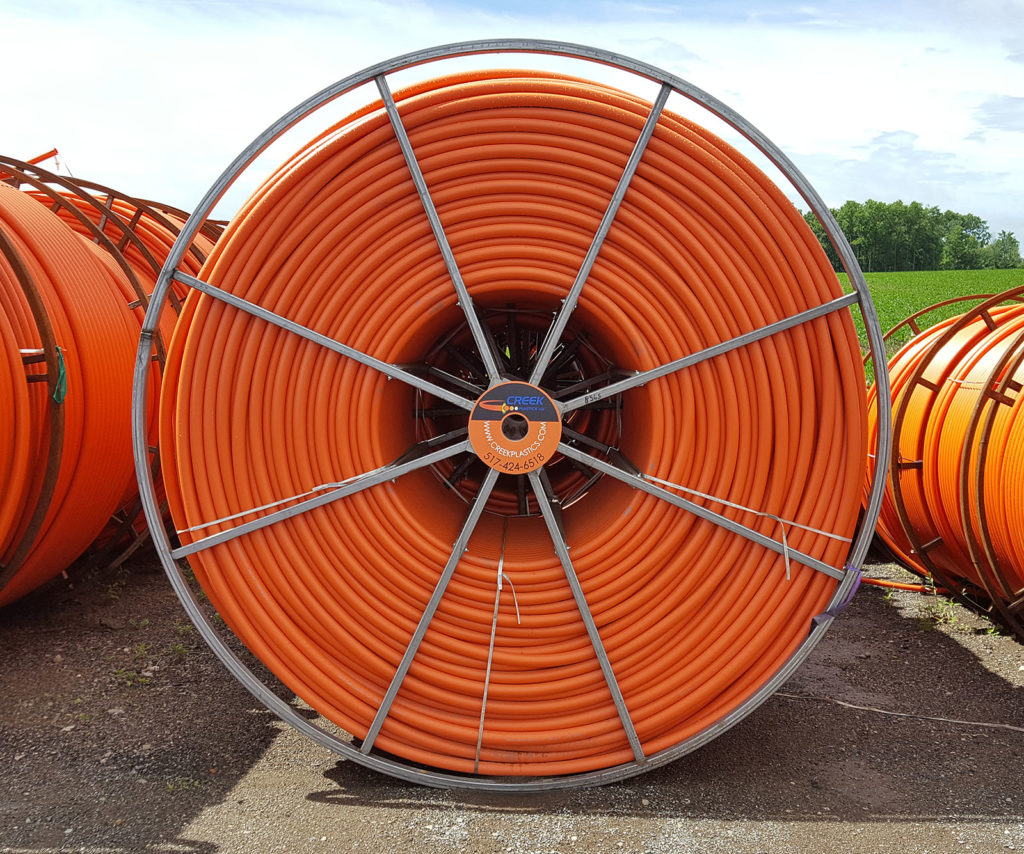
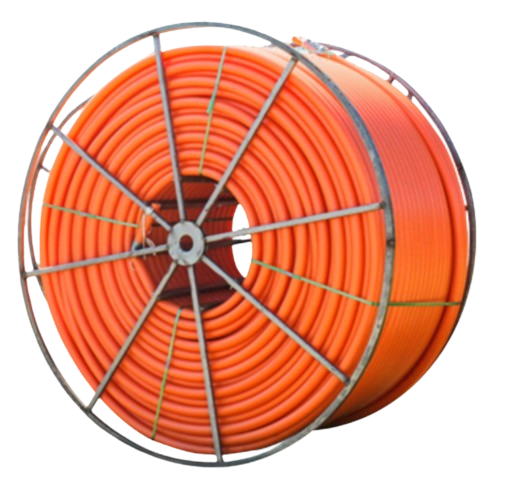

What it means
- Telecommunications infrastructure
- Historically used for fiber optic and copper comms
- Most common color you’ll see in cities, campuses, highways
Why orange
- High visibility for excavation safety
- Distinct from power, gas, water
- Long-standing North American convention
Typical use
- Long-haul fiber
- Metro rings
- ISP access fiber
- Dark fiber routes
- Data center interconnect (DCI) paths
Material
- Usually HDPE smoothwall or corrugated
- Often innerduct bundles (multiple microducts inside)
🔵 Blue conduit — private / institutional / special-purpose comms
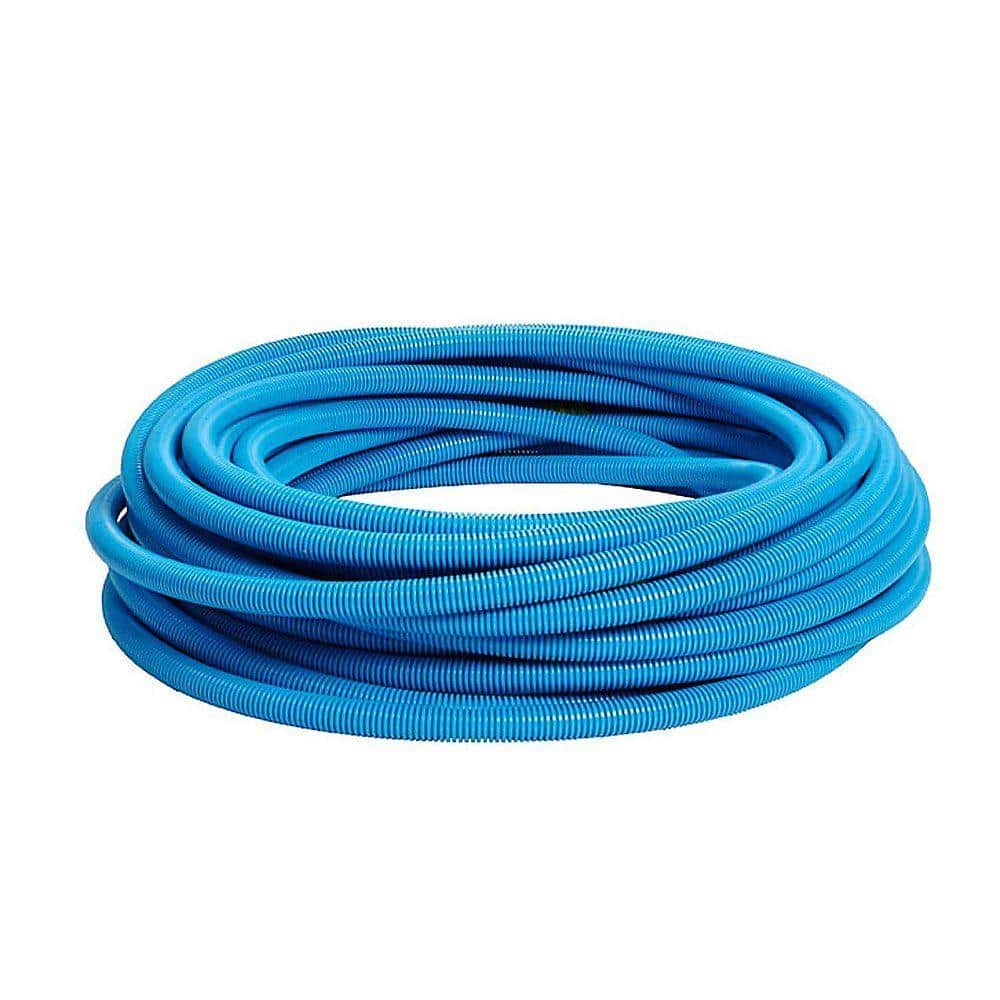
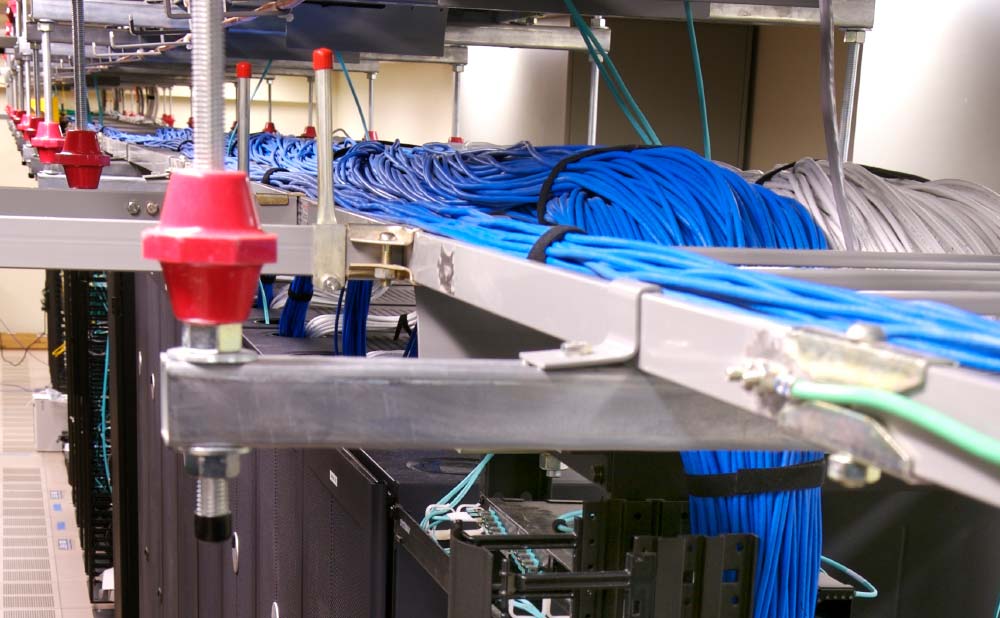
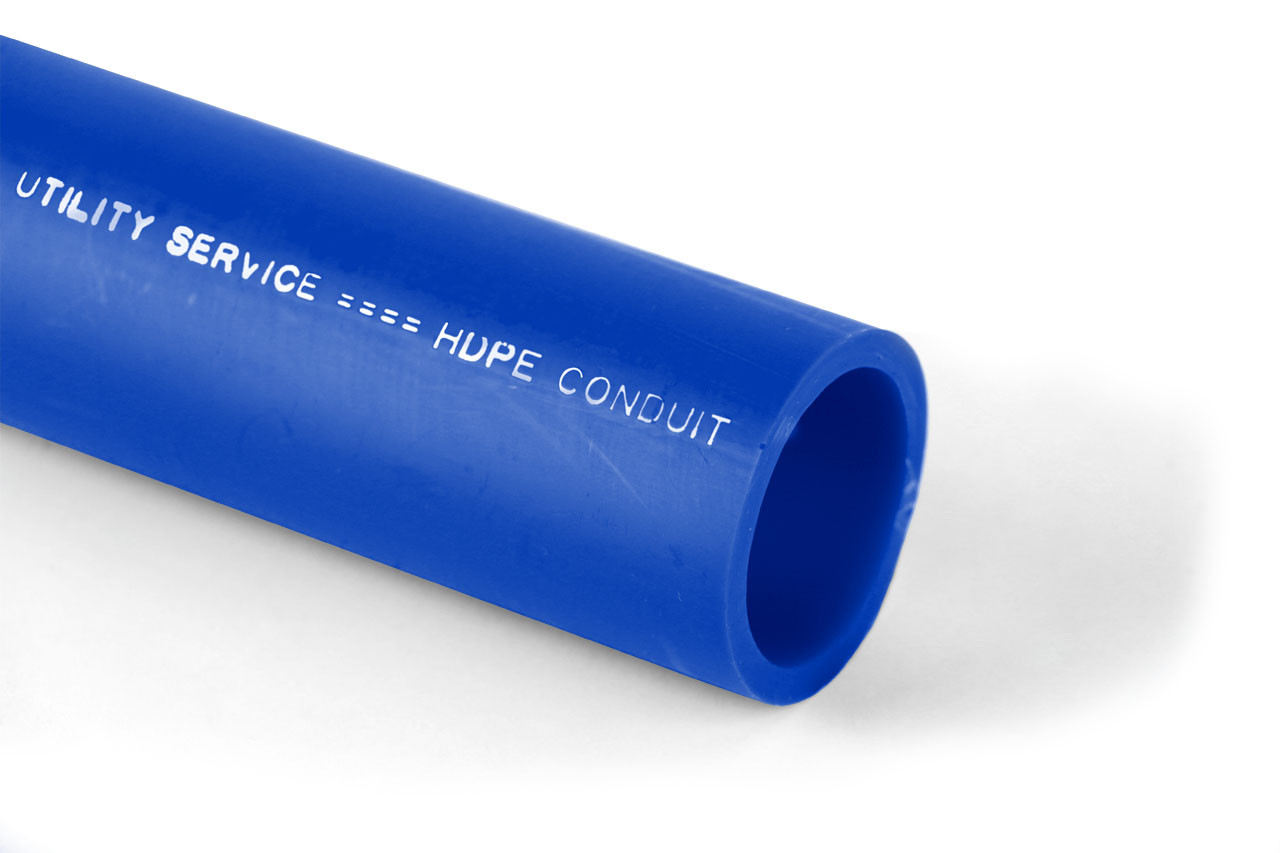
What it usually indicates
- Private owner fiber
- Campus networks
- Municipal / enterprise infrastructure
- Sometimes water utilities use blue, so context matters
Why blue
- Owner-specific color choice
- Used to distinguish non-carrier fiber
- Easier asset identification during maintenance
Typical use
- University campuses
- Hospitals
- Military bases
- Corporate parks
- Municipal fiber projects
Important note
Blue is not universally standardized for fiber — it’s a local convention, not a NEC rule.
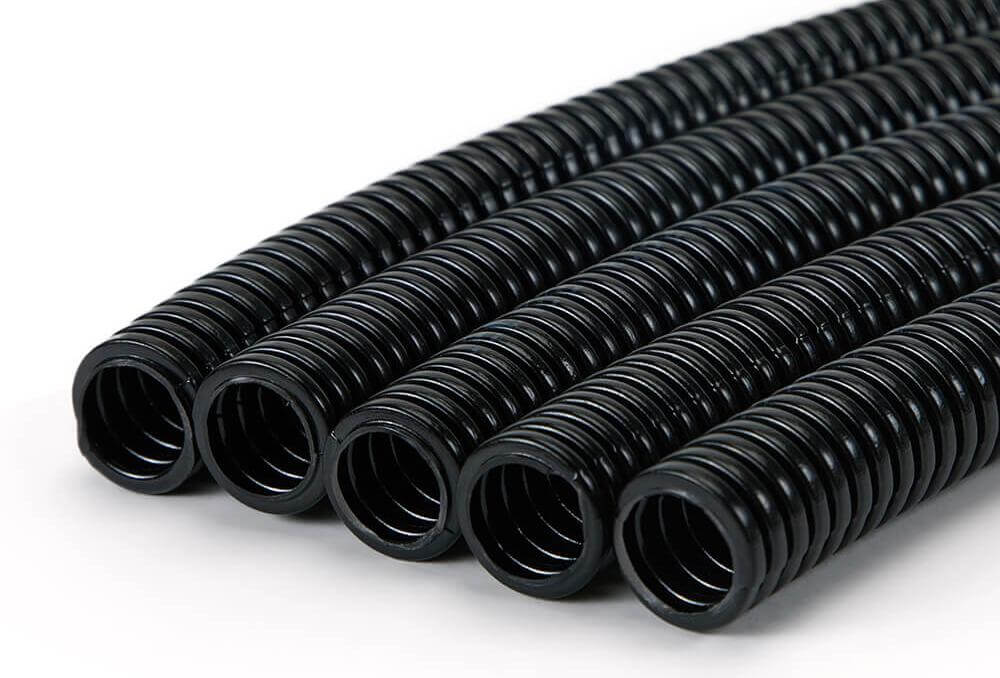
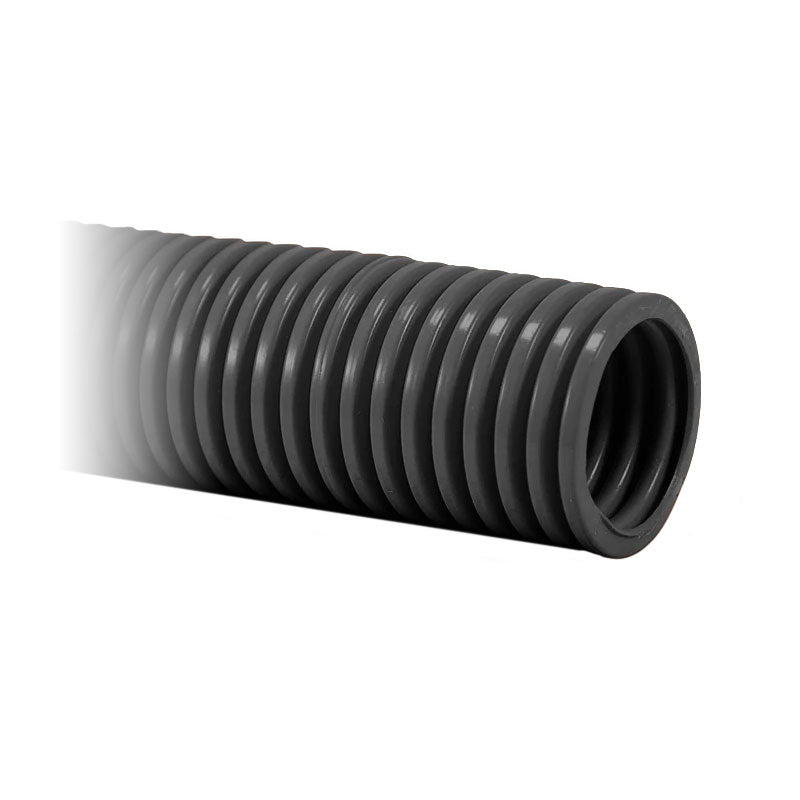
⚫ Black conduit — modern standard HDPE (carrier-grade)

What it means
- Generic HDPE conduit
- Used for fiber, power, or mixed utility
- Identified by markings or tracer wire, not color
Why black dominates now
- UV resistance
- Cheaper to manufacture
- Compatible with microtrenching
- Used globally for long-haul builds
How fiber is identified
- Orange or colored pull tape
- Internal microduct colors
- Labeling + tracer wire
- GIS records (not visual)
Most new hyperscale builds use black conduit
2. Modern fiber used between data centers (DCI)
Fiber types (the glass itself)
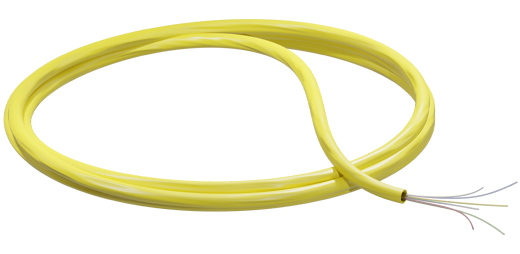
Single-Mode Fiber (SMF) — OS2
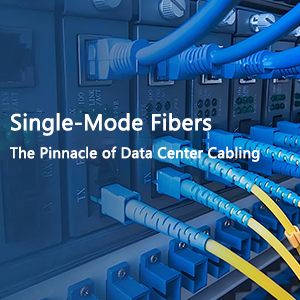
The global standard
- Core ~9 microns
- Long distance, low loss
- Used for all data-center interconnects
Loss
- ~0.18–0.22 dB/km (modern glass)
Non-Zero Dispersion Shifted Fiber (NZ-DSF)
Variants
- G.655
- G.656
Why it exists
- Optimized for DWDM
- Reduces nonlinear effects at high power
- Preferred for long-haul DCI
Capacity: how one fiber carries insane bandwidth
DWDM (Dense Wavelength Division Multiplexing)
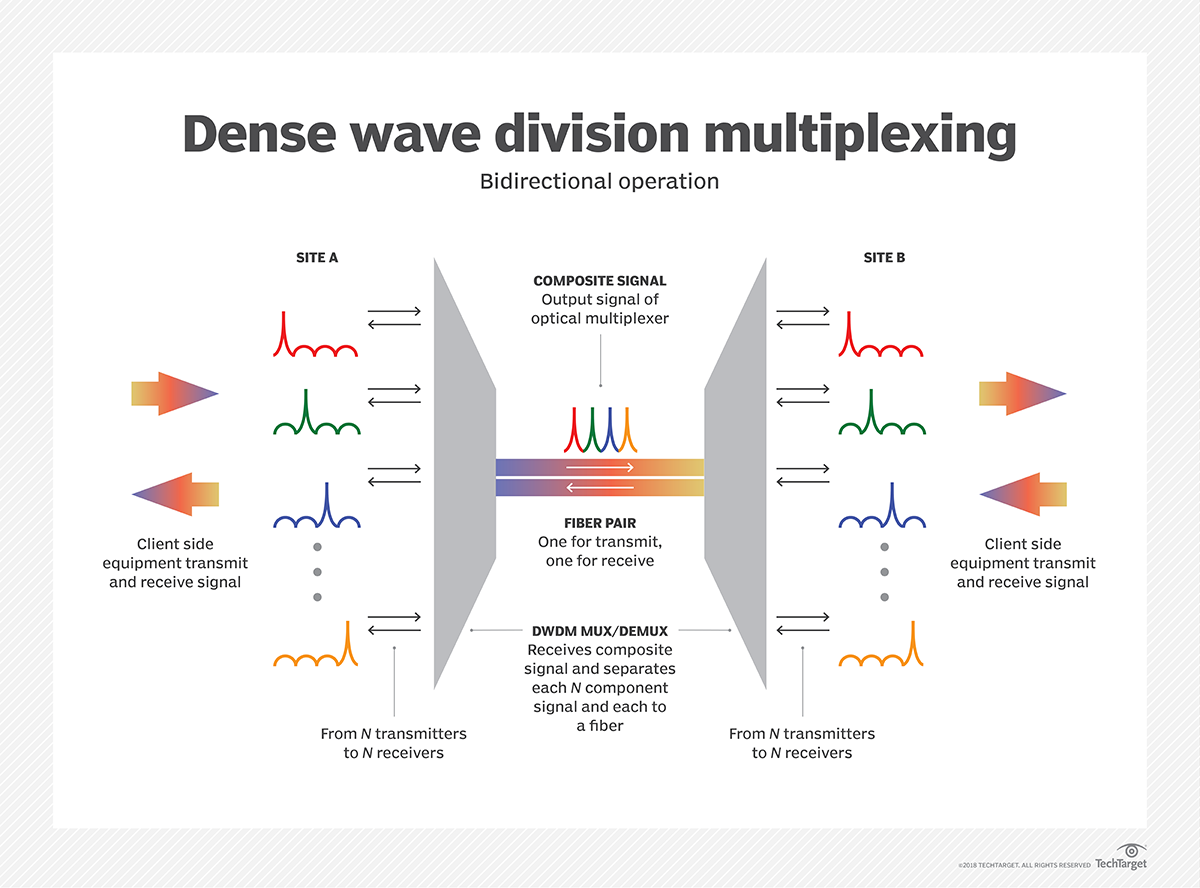
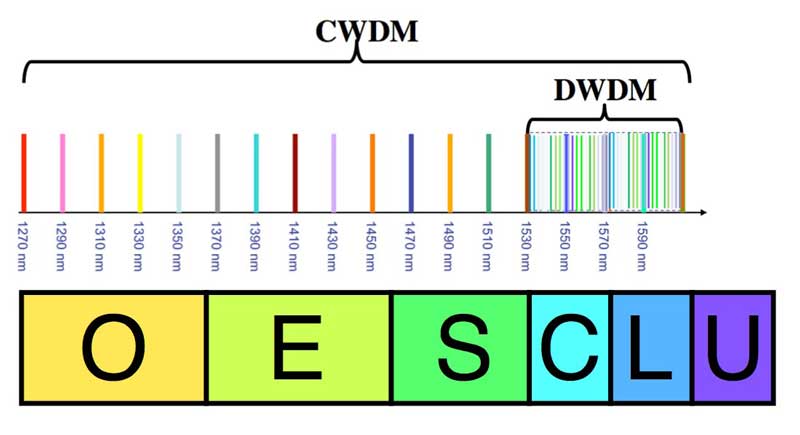
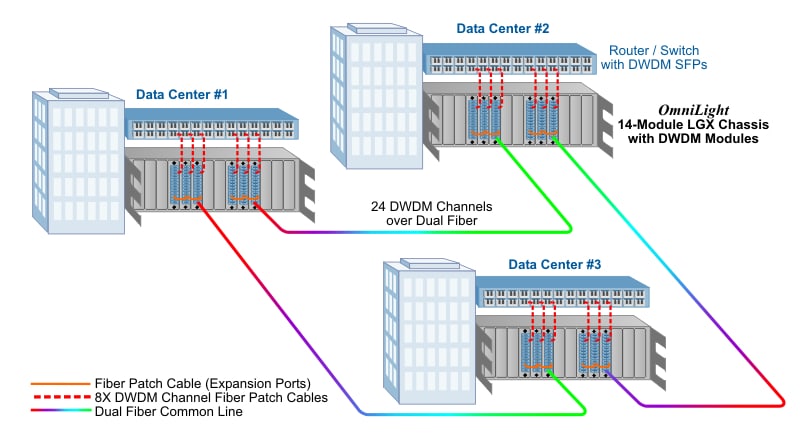
How it works
- One strand carries 80–160+ wavelengths
- Each wavelength = 100G / 400G / 800G
Real-world capacity
- 80 × 400G = 32 Tbps per fiber
- New systems exceed 60–100 Tbps
Common DCI optic standards
| Standard | Per wavelength | Typical reach |
|---|---|---|
| 100G DWDM | 100 Gbps | 80–500 km |
| 400G ZR | 400 Gbps | ~500 km |
| 800G ZR+ | 800 Gbps | 500–2000 km |
| Open Line Systems | mixed | continental |
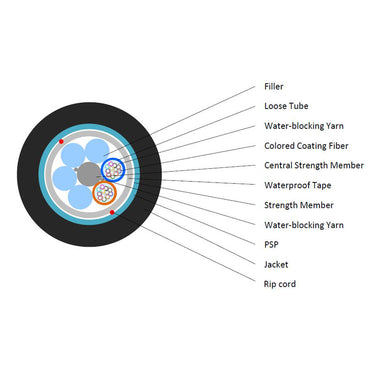
Cable construction for buried DCI
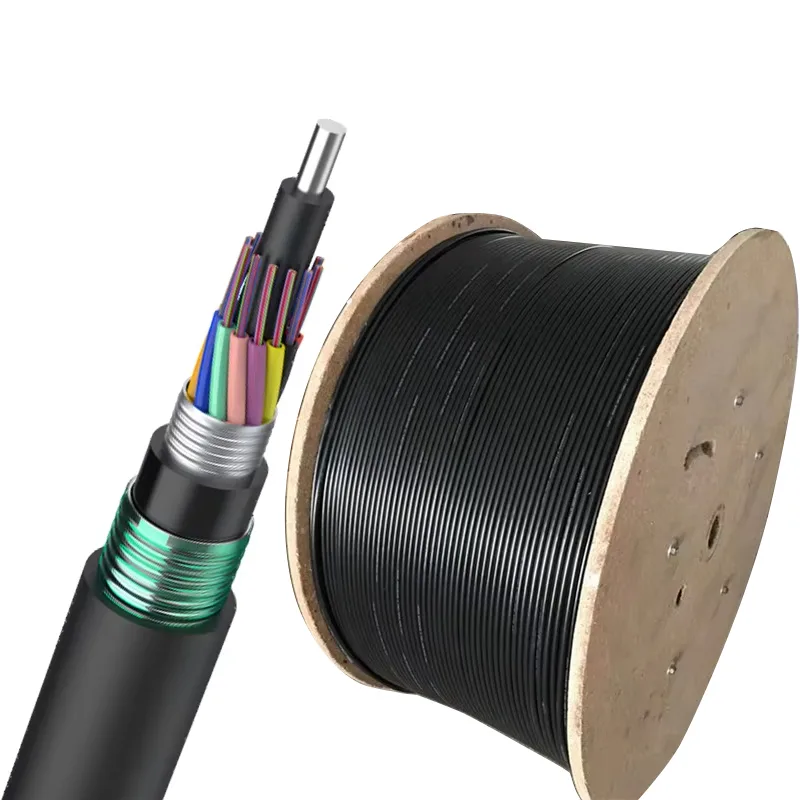
Typical features
- Loose-tube design
- Gel-filled or dry-water-block
- Steel or dielectric armor
- Crush resistant
- Rodent resistant
- Direct-burial or conduit-rated
Fiber counts
- 96, 144, 288, 432, 864 fibers common
- Hyperscalers often deploy multiple 432-count cables
3. Microducts and modern builds



Instead of one big cable
- Install multi-microduct conduit
- Blow fiber as needed later
Advantages
- Faster expansion
- Lower repair impact
- Scales with demand
- Ideal for hyperscale DC campuses
4. Color ≠ ownership ≠ capacity (important myth)
Color does NOT tell you
- Who owns the fiber
- What data is on it
- Whether it’s “dark” or lit
- Whether it’s carrier or private
- Whether it’s encrypted
Only records, labeling, and splices do.
5. Typical modern data-center interconnect stack
From ground up
- Black HDPE conduit (multi-duct)
- Microduct bundle
- OS2 / G.655 fiber
- DWDM transponders
- ROADM / Open Line System
- Encrypted optical layer
- IP/MPLS or Ethernet on top
6. Quick summary
| Item | Meaning |
|---|---|
| Orange conduit | Traditional telecom fiber |
| Blue conduit | Private / campus / local convention |
| Black conduit | Modern HDPE standard |
| OS2 fiber | Global DCI standard |
| DWDM | How terabits ride one strand |
| Microduct | Scalable future-proof builds |